
TheJohn Lewis Writing Grants are inspired by the late civil rights icon and his more than three decades of service as Georgia’s 5th District representative. The John Lewis Writing Grants are awarded annually in the categories of fiction, nonfiction, and poetry. The winning recipients receive $500 each and a free one-year Georgia Writers Association membership. The purpose of these grants is to elevate, encourage, and inspire the voices of Black writers in Georgia.
John Lewis' works include Walking With the Wind: A Memoir of the Movement, the March series, and Run: Book One. Lewis received a Georgia Author of the Year Award in 2017 for March: Book Three, and again in 2022 for Carry On: Reflections for a New Generation.
-
Winners in each genre will receive:
—$500
—Featured reading at the 2027 Red Clay Writers Conference
—A free one-year Georgia Writers Association membership
-
Applicants must be 18 years of age and emerging writers who are Black or African-American residents of Georgia for at least one year, or full-time students at a Georgia college or university at the time of application and on the date of the award. Applicants are ineligible if they have published more than one traditionally published book. Promising writers without publication will be considered. Writers who are eligible may apply annually but may only win a grant once. There is no submission fee to enter. Applicants are ineligible if they are of relations to any of the Georgia Writers staff or board of directors. **We will not accept submissions of AI-generated work, which includes writing that was partially created with or assisted by LLM technology. If an AI submission is identified, it will be rejected.
-
The grants are open from 8/1/2026-10/1/2026. Applications are submitted via Submittable.
Writers may apply in only one genre and must submit the following:
—A complete grant application
—A brief artist statement (500 word max) which describes your work and goals as a writer. Tell us what inspires or challenges your writing career, and how your work engages (directly or indirectly) with the legacy of John Lewis.
—A writing sample (10 pages max) of published or unpublished work in the genre in which you are applying: fiction, nonfiction, or poetry. If submitting poetry, one poem per page please.
*Do not include your name or any identifying information in the writing sample.*Work written either in whole or in part by AI is strictly prohibited.
-
Ra’Niqua Lee won with her fiction story excerpt titled “Frenzied, Desperate Birds,” a novel she begin to write for her MFA thesis.
George Chidi won the John Lewis Grant for his nonfiction submission titled “A Kid Named Twin.”
Jae Nichelle won the John Lewis Grant for her poetry works titled: “This Was Written,” “Maybe: God,” “A Book Reminds Me I’ve Known Joy,” “Corn,” “I am Angry, and I Will Not Go Back to Work,” “Revelations,” “Tangible Heaven,” “When the Last Time You Went to Church,” and “Golden Shovel, Frank Ocean’s Bad Religion.”
-
Michaeljulius Y. Idani won in the Fiction category.
Josina Guess won in the Non-fiction category.
Samantha Williams won in the poetry section.
-
Netta Fei: Fiction
Kristie Robin Johnson: Nonfiction
Cocoa Williams: Poetry
-
Alafia Sessions: Poetry
Wytinsea Jones: Nonfiction
Dominque Feloss: Fiction
The submission window for the 2026 John Lewis Writing Grants is now closed.
Check back here soon for the announcement of this year’s grant recipients!
2025 John Lewis Writing Grant Recipients
-
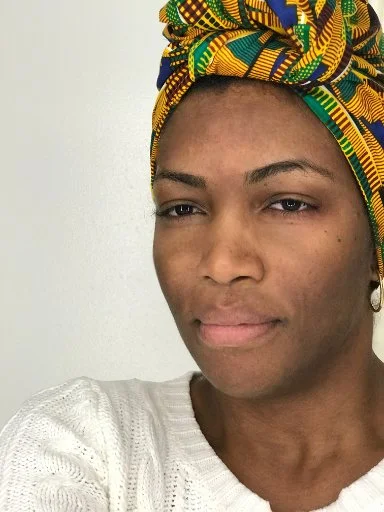
Verdell Walker
Fiction Recipient
-
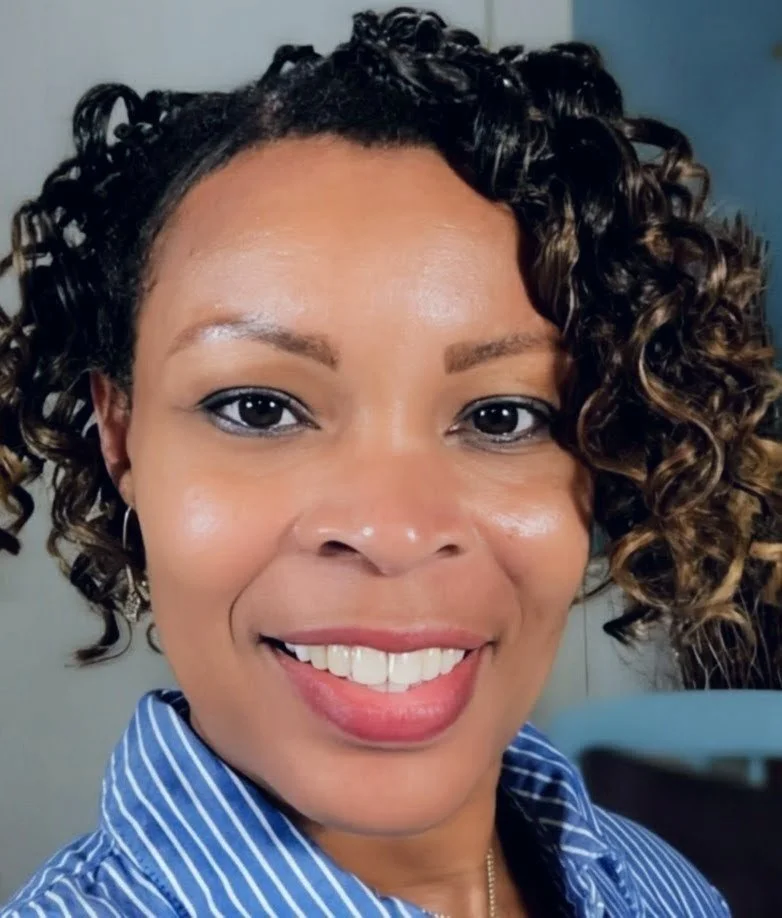
Tonya Richardson
Nonfiction Recipient
-
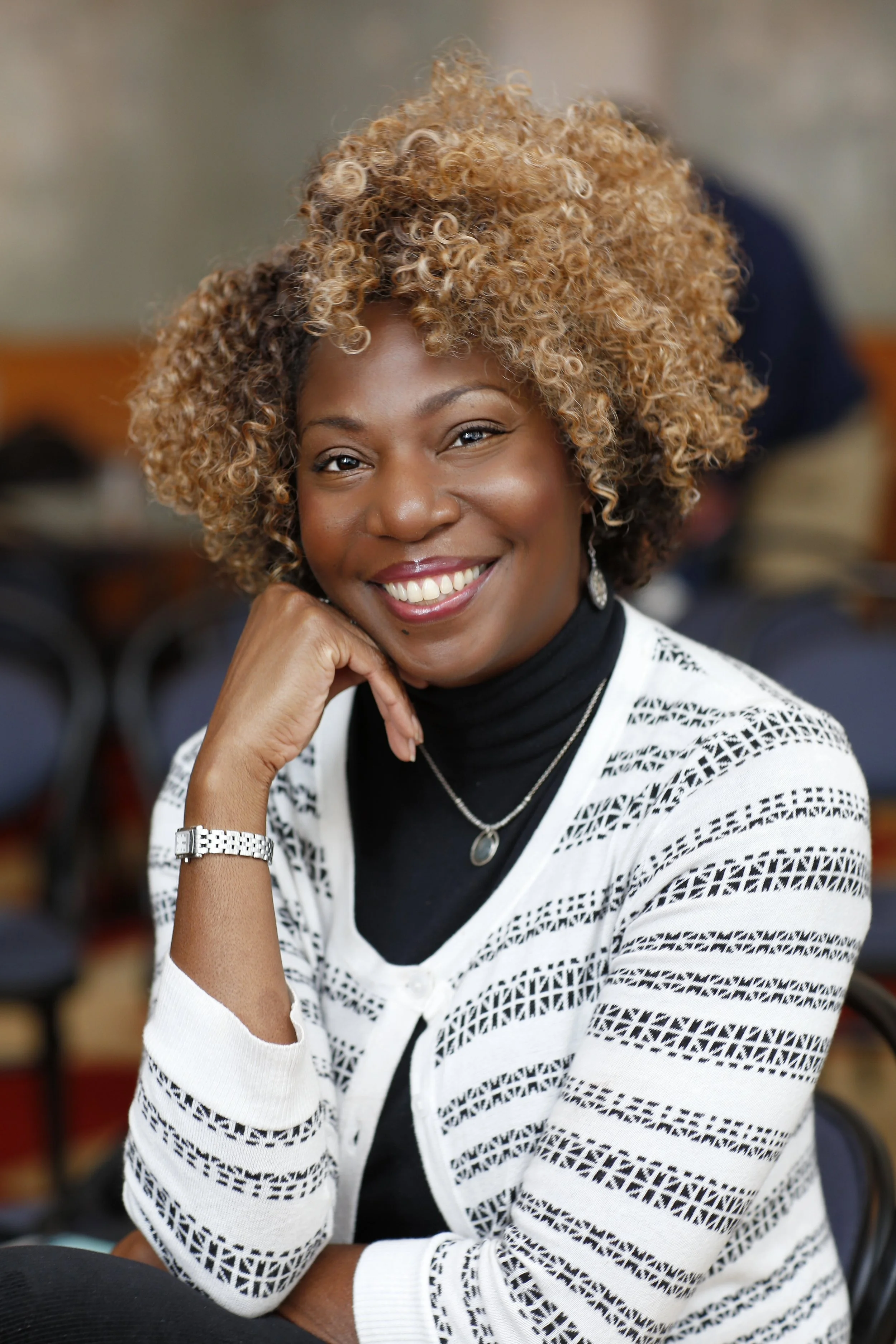
Vernetta Rivers
Screenwriting Recipient
-
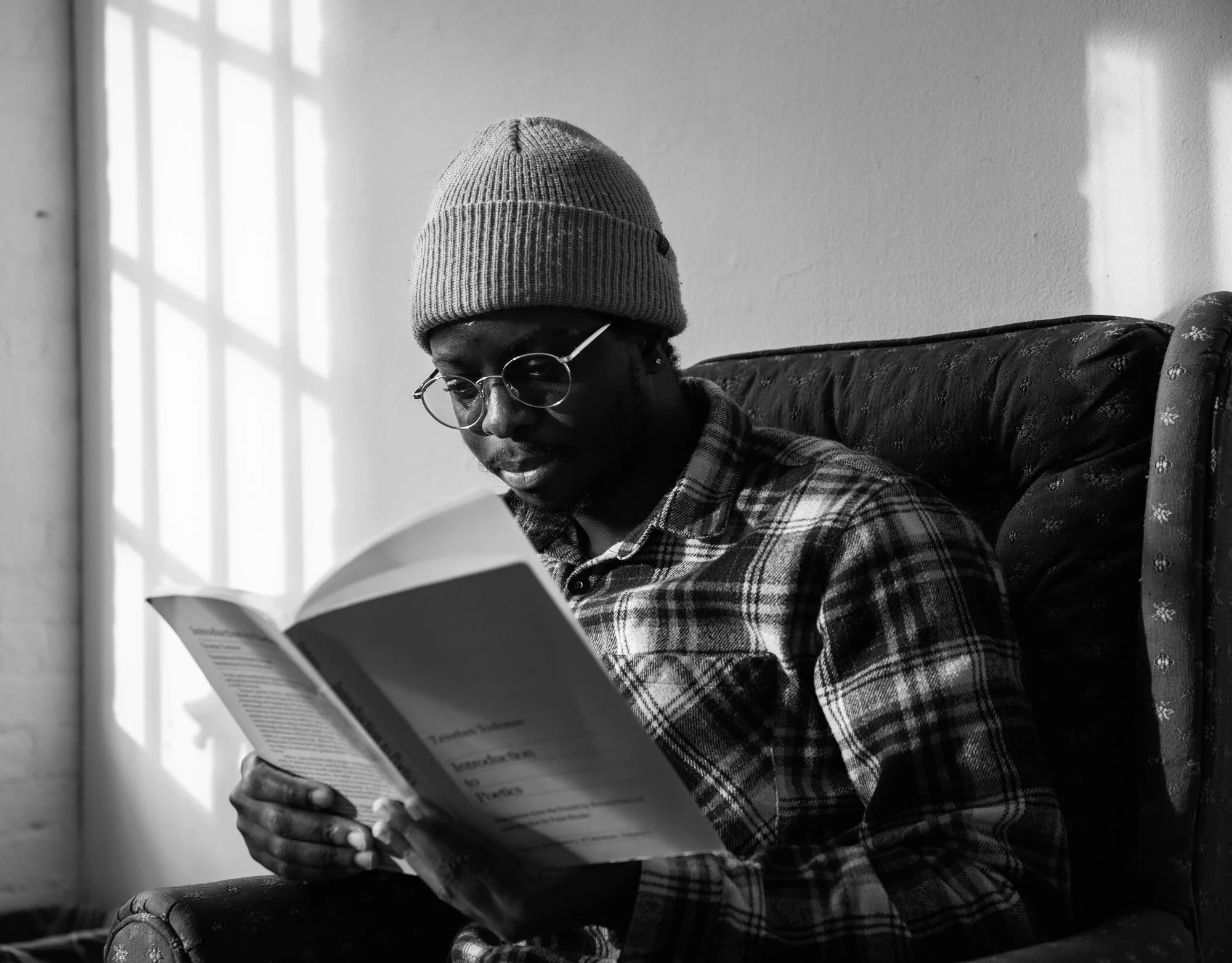
O-Jeremiah Agbaakin
Poetry Recipient
-
Verdell Walker is a writer of speculative fiction from rural Georgia whose work is inspired by her heritage and her research. She is committed to challenging the boundaries between literary and genre fiction and elevating speculative fiction’s place in contemporary literature. Her stories are published and forthcoming in Tractor Beam and Reckoning, and her nonfiction writing has appeared in Bustle, Vox, Forge, and ZORA. She can be found on Instagram: @verdellwalkerwrites and Substack: @verdellwalker, as well as her book review podcast, The Book Up.
Judge Robert Gwaltney’s Citation:
“Rooted” is a haunting, beautifully rendered story that braids family, land, and legacy with a quiet power. From its opening image—an urn buckled into the passenger seat and a ghost riding in the back—the narrative makes clear its gift for the uncanny. The author balances the supernatural with the deeply human, crafting a world where grief is a companion, magic is inherited responsibility, and the land itself bears witness to generational wounds.
What begins as a homecoming becomes a tender exploration of lineage: the tension between mothers and daughters, the weight of unspoken expectations, and the ache of returning to a place that has both nurtured and rejected you. The prose shines with sensory detail—heat shimmering on backroads, herbs bundled in purple sachets, the scent of tobacco and mint on a grandfather’s shirt—creating a setting as alive and complex as the characters who move through it.
At its heart, this piece is a meditation on inheritance: the gifts we receive, the burdens we carry, and the choices we make about which to claim as our own. The author deftly weaves environmental disruption, ancestral magic, and personal reckoning, offering a narrative that feels both timeless and urgently contemporary.
-
Tonya Richardson is an award-winning writer, powerful storyteller, and dedicated literacy advocate with a Bachelor of Interdisciplinary Studies in Writing from Georgia Southern University. For over two decades, Tonya honed her expertise in structure and clarity, working in high-level editorial and gatekeeping roles for the Federal Judiciary that instilled a rigorous attention to detail in every word she writes. She received the prestigious 2016 George Brannen Writing Award for her short story, “Saints’ Row,” which was inspired by her childhood visiting her grandparents in South Georgia. Drawing inspiration from a personal battle with a rare, aggressive breast cancer, Tonya penned her debut self-published fiction novel, Life, Perfection & Happily Ever After…Interrupted on Kindle Direct Publishing. She later shared a powerful, non-fiction piece, “An Open Letter to My Children,” published in Conquer Magazine.
A proud Georgia native and educator, she lives with her husband and children. When Tonya is not writing, she enjoys diving into a good book with a cup of coffee and a brood of fur babies at her side. Visit her website: http://www.tonyalrichardson.com/.
Judge Neesha Powell-Ingabire’s Citation:
In “A Strong Family History,” Tonya Richardson seamlessly weaves a thread between her personal history, her family history, and the collective history of her paternal family’s ancestral home. The essay’s dialogue, descriptions, and details make her family and their surroundings come alive on the page. Its narrative compels readers to feel and to think from the very beginning. Richardson uses curiosity, reverence, and humor to tell a story about loss, luck, life, death, love, hate, memory, and belonging.
Upon the death of Cousin Cora Lee, Richardson’s grandmother summons her to the rural, racist south Georgia town where Richardson’s father grew up and refused to remain but still considered “home.” As she drives Grandma around the town to locate the whereabouts of Cora Lee’s body, Richardson feels uneasy in a place where segregation seems to reign as much as in the days before Brown v. Board of Education and also resentful of how little she knows about her family’s history. Yet the trip also leads her to realize the resilience that allowed her to beat breast cancer twice derives from the strength of family members, like her grandmother, who persisted in a town where they were treated like second-class citizens.
John Lewis knew intimately the kind of town where Richardson’s family originates and fought his entire life to liberate such places from the grips of white supremacy by making “good trouble.” He battled against pancreatic cancer with that same indomitable spirit. Richardson’s essay serves as a reflection of Lewis’s life by uncovering beauty and triumph in the ugliest, bleakest of situations. It reminds us that virtually every town and every life is worth fighting for.
-
Vernetta Rivers was raised in rural Alabama, where storytelling lived in Bigmama’s kitchen and in her granddaddy’s tales of Brother Bobcat. Born into a family shaped by Jim Crow and sustained by oral tradition, she learned early that truth lived in the stories people told when the world tried to silence them. As a child integrating new spaces in the 1970s, she witnessed both the innocence of friendship and the shock of racial hatred, experiences that rooted her commitment to justice.
Vernetta grew up hearing her mother describe helping feed the weary marchers who arrived in Montgomery after Bloody Sunday—part of the quiet, everyday network of Black families who supported the Movement. Their resilience guides her writing.
Her screenplay Cropperville, inspired by true events, tells the story of Black and white families discovering common cause and courage in the face of exploitation. Vernetta writes to honor her ancestors and keep truth in the light.
Judge Ariel Hairston’s Citation:
This submission stood out for its command of voice and historical authenticity. Every character on the page feels fully realized, and their speech patterns and rhythms ring true to the era. They are written with real humanity; they never read as caricatures, but as people with depth and lived experience. Vernetta’s research is evident in the texture of the dialogue, social dynamics, and setting, especially in scenes like the early confrontation between the laborers and the farmers.
For its well-researched voice, believable characters, and clear, confident storytelling, I’m pleased to award this year’s John Lewis Writing Grants to Vernetta Rivers for Cropperville.
-
O-Jeremiah Agbaakin is the author of The Sign of the Ram (Akashic Books, 2023), selected by Kwame Dawes and Chris Abani for the New Generation African Poets Chapbook series. His poems and reviews are published/forthcoming in Poetry Review (UK),Kenyon Review, POETRY Magazine, Poetry Daily, Poetry Society of America, The Rumpus, and elsewhere. He’s received fellowship & support from Georgia Writers Association/Fine Arts Work Center, Good Hart Artist Residency, Massachusetts Museum of Contemporary Art, Bread Loaf, Tin House; and a Graduate Research Award from the Willson Center for Humanities and Arts, University of Georgia where he is currently a doctoral student of Creative Writing and Literature. Follow him on IG @oj_agbaakin.
Judge Olatunde Osinaike’s Citation:
The great and honest deal about love is in how it can touch, effect, and disarm anyone. No peril nor politic is greater. It is but a small fact seen throughout the work of O-Jeremiah Agbaakin, who does not shy away from “the conditions of isolation and alienation” but instead vocalizes this marginalization through a sonnet corona which questions our contributions to displacement and our shared yet warped sense of nativity. The spirit of this grant takes after a man who was more than aware of the deprived and visceral effects this world can condition people with many times over. It was in this cycle that John Lewis chose to champion redemption and faith in ways that ever-expanded our living. Agbaakin, too, embodies a dismantling and renewal through work that makes a home in us all.
2025 John Lewis Writing Grant Runners-Up
-
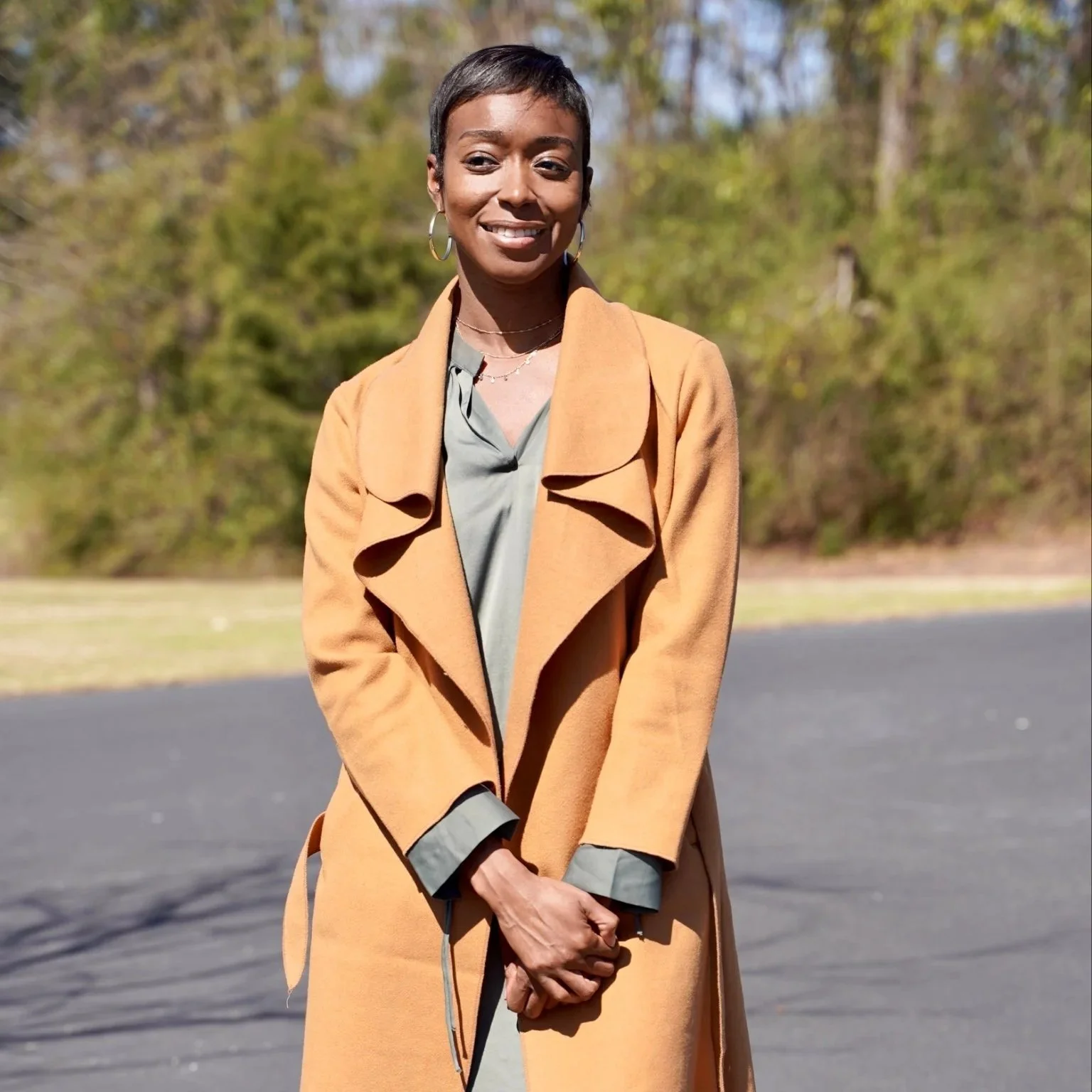
Monique Hassell
Fiction Runner-Up
-

Aria Vega
Nonfiction Runner-Up
-
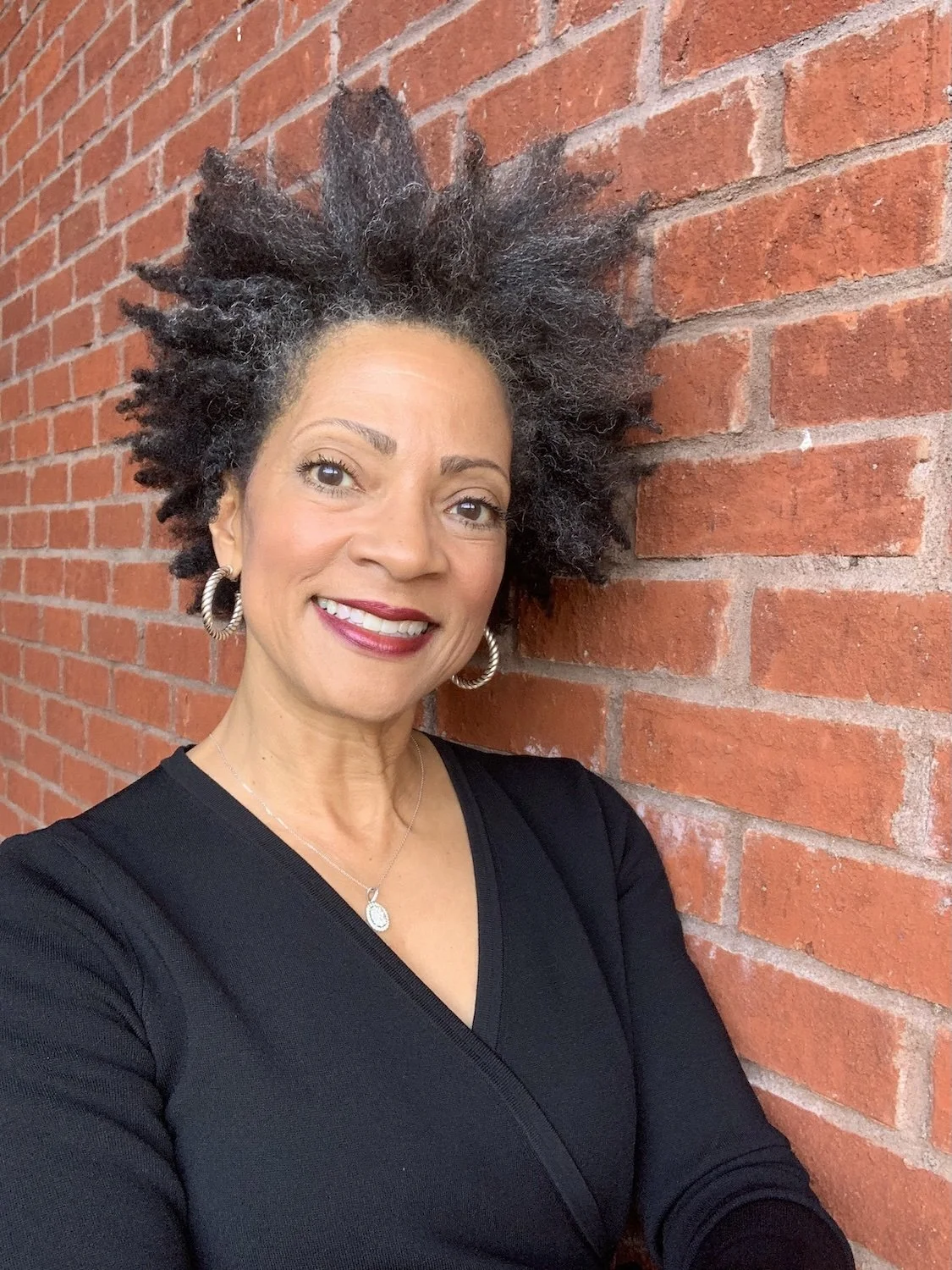
Tara Coyt
Screenwriting Runner-Up
-
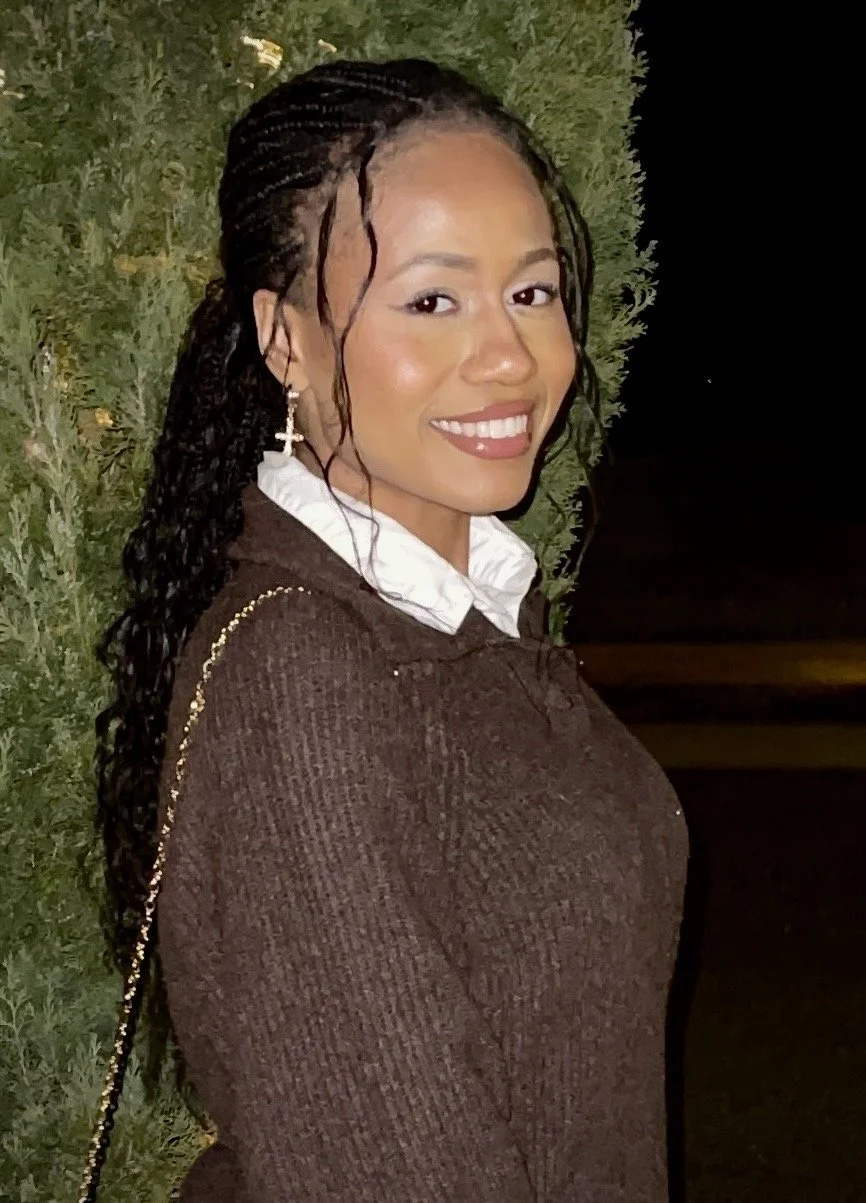
Denerica Chappell
Poetry Runner-Up
-
Monique Hassell is a writer, educator, and community advocate whose work explores language and culture, as source and space for reformation and belonging. She is an Adjunct Professor of English at Columbus State University and a Secondary English Teacher where she leads literacy innovation and mentors teachers in inclusive, research-based practices.
Holding a Doctor of Education in Curriculum Studies from Georgia Southern University, her research explores Black women as homeplace, memory, and communal resistance in Southern narratives. As Founder and Director of Love Epidemic Group, she organizes community outreach focused on poverty alleviation, literacy, and youth empowerment. Her teaching, writing, and activism use storytelling to challenge inequity, cultivate empathy, and affirm the transformative power of narrative to heal family units, resist systemic injustices, and restore communities. Follow IG @monique__writes.
-
Aria Vega is a freelance writer and voice artist from New York, now living in North Georgia. Her personal essays, artist profiles, and cultural criticism have appeared in publications in the U.S. and Germany. She loves studying foreign languages and Hellenistic astrology. Follow her Substack @vegadreamcast and visit her website: https://www.ariavega.com/.
-
Tara Coyt is an award-winning multi-disciplinary artist. Recognitions include a La Maison Baldwin Writing Fellowship, Next Generation Indie Book Award for “Real Talk About LGBTQIAP,” a grant from Alternate Roots and the Andrew Mellon Foundation, the Atlanta Business League Super Tuesday Outstanding Business Achievement Award, the Atlanta Daily World Women of Excellence, and painting and photography awards.
Tara has also co-written and developed books with NBA All-Stars, a Death Row Records photographer, and several entrepreneurs. She also produced the short documentary film, “Joe Barry Carroll,” which was commissioned by the South Fulton Institute.
Non-profit board appointments have included Atlanta Writers Club, Atlanta-Rio Sister Cities Foundation, Atlanta Technical College Foundation, and Decatur Book Festival. Community and professional memberships include Alternate Roots, Atlanta Film Festival Screening Committee, Association of Black Women Historians, Association for the Study of African American Life and History, Atlanta Photography Group, Harvard Club, PEN America, Toni Morrison Society, and Working Title Playwrights. She is a GLAAD Media Institute alumnus. Follow IG @taracoyt and visit her website: taracoyt.com.
-
Denerica Eriel Chappell is a poet from Valdosta, Georgia. She is an MDiv/M.S. Clinical Mental Health student at Mercer University. She has earned her Bachelor of Arts degree in Philosophy with a minor in English. She was an honorable mention for the David Bottom’s Prize for Poetry. Her poetry is rooted in her love for God, community, culture, and vulnerability. She enjoys reading, hiking, and spending quality time with her family. She aspires to be an agent of healing, using her creativity and words to encourage communal restoration. Follow IG@eriel.llland visit her website: https://erielchappell.com/.